Define the product brief
Record the target customer, intended use, tent size and layout, price tier and market, then use those requirements to shortlist models from the range.
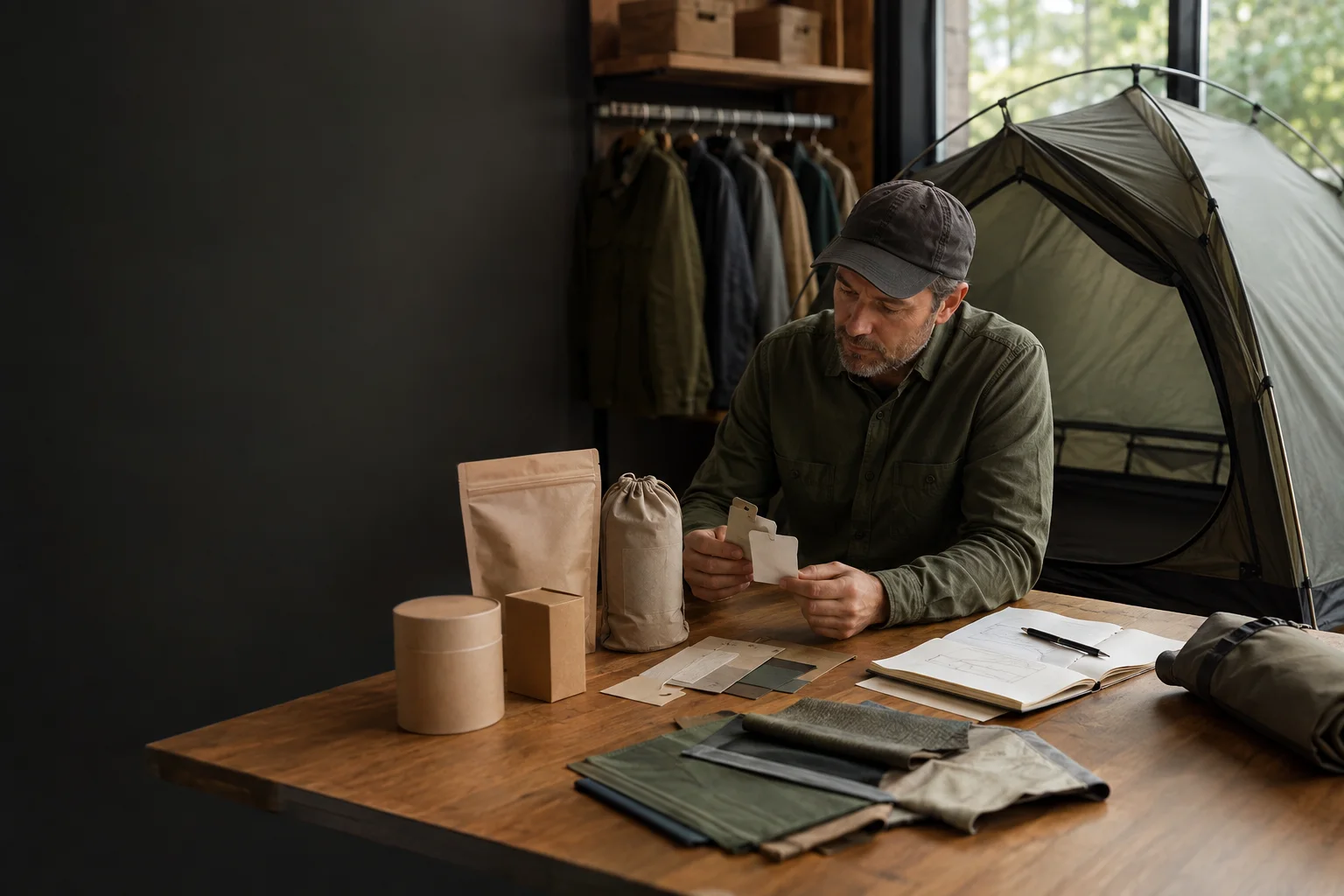
A specification-led path for private-label brands, importers, distributors and sourcing teams building their own tent lines. Start from the product range, define the target customer and use, then carry model, fabric, branding and packaging decisions through samples to your RFQ.
Record the target customer, intended use, tent size and layout, price tier and market, then use those requirements to shortlist models from the range.
Compare pitched size, material, doors, layout and listed capacity on the shortlisted product pages, then review fabric and color options for the brand.
Agree logo placement, color, carry bag, instruction language and carton artwork so the product presents correctly in your channel.
Validate a sample against the brief, then submit the full RFQ with quantity, packaging, branding and destination-market requirements.
Start from the Camping Tents range to compare categories, then focus the air-frame portion of your line on inflatable camping tents. For fabric positioning, compare options across glamping and campsite tents as well.
Double-door family configurations with several fabric options for a family or car-camping brand line.
Review a family model →A 13.68 m² model with a double-door layout, TPU window and utility details for a larger brand tier.
Review the campsite model →A polycotton sourcing family for higher-positioned private-label ranges with modular or bedroom-and-living layouts.
Review the polycotton family →Use the fabric comparison and the structure comparison while building the brief, then review OEM options and the quality process. Return to the solutions overview for other buying roles.
Define the target customer, intended use and tent size and layout first, then browse the camping tent range to shortlist models that fit that specification.
Compare pitched size, layout, fabric, doors and listed capacity on each product page, then match them to your market's expected use and price tier.
Discuss color, logo placement, carry bag, instruction language and carton artwork with the supplier. Final options depend on the model and order.
A sample lets you verify layout, fabric, color, packed size, instructions and packaging quality against your brand standards before committing quantities.
Include the target customer and use, model and size, fabric and color, branding and manual requirements, packaging, order quantity and destination-market compliance needs.
No. MOQ, delivery terms, certifications and exclusivity depend on the model and order, and are reviewed per project rather than promised generically.